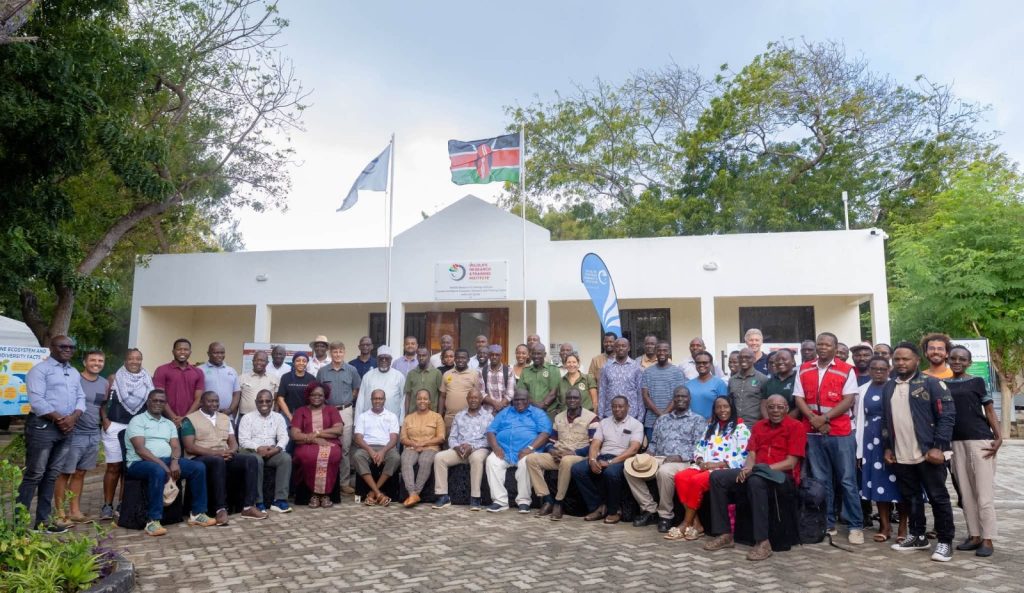
CANCO participated in the Kenya National Wildlife Database Development Stakeholder Engagement held at the Wildlife Research and Training Institute (WRTI) in Malindi.
The engagement brought together government institutions, research institutions, academia, conservation organisations and other stakeholders involved in generating, managing and using wildlife and ecosystem data.
The National Wildlife Database is being developed to support the implementation of Article 60 of the Wildlife Conservation and Management Act, Cap. 376. It seeks to centralise wildlife information, strengthen research and data management, improve reporting under national and international frameworks, and address fragmentation of wildlife and ecosystem data across institutions.
A key focus of the engagement was ensuring that coastal and marine ecosystems are adequately represented in the database. Participants highlighted gaps in the availability and representation of coastal and marine biodiversity data, including information on ecosystem diversity, ecological importance and specific threats.
The engagement also underscored the importance of bringing more resource users and community knowledge holders into the process. Small-scale fishers, Beach Management Units, Community Forest Associations and other resource-user groups generate valuable knowledge that can help ensure the database reflects realities on the ground.
CANCO welcomes continued stakeholder engagement to strengthen the database and ensure that coastal and marine biodiversity is visible, well documented and effectively integrated into national wildlife information systems.
#WildlifeData #MarineConservation #CoastalEcosystems #Biodiversity #KnowledgeManagement #Conservation